
BuffSend and Instantly can both appear on a shortlist when a small sales team wants to systematize cold outreach. The important difference is not a single feature checkbox. It is the workflow the team needs after a contact enters a campaign, after a reply arrives, and after the conversation becomes a real sales task.
This comparison is written for founders, small B2B sales teams, consultants, and agencies. It focuses on workflow fit rather than an absolute winner. Product features, limits, packaging, and integrations change, so confirm current details on the vendors’ official pages before making a purchase.

Quick answer
Choose the platform that best matches the work your team must control. If your main challenge is coordinating campaign sends and sender operations, a dedicated outbound platform may be attractive. If your main challenge is connecting outreach to contacts, companies, deals, tasks, and deliverability checks, BuffSend is designed around that broader operating workflow.
What should a small team compare?
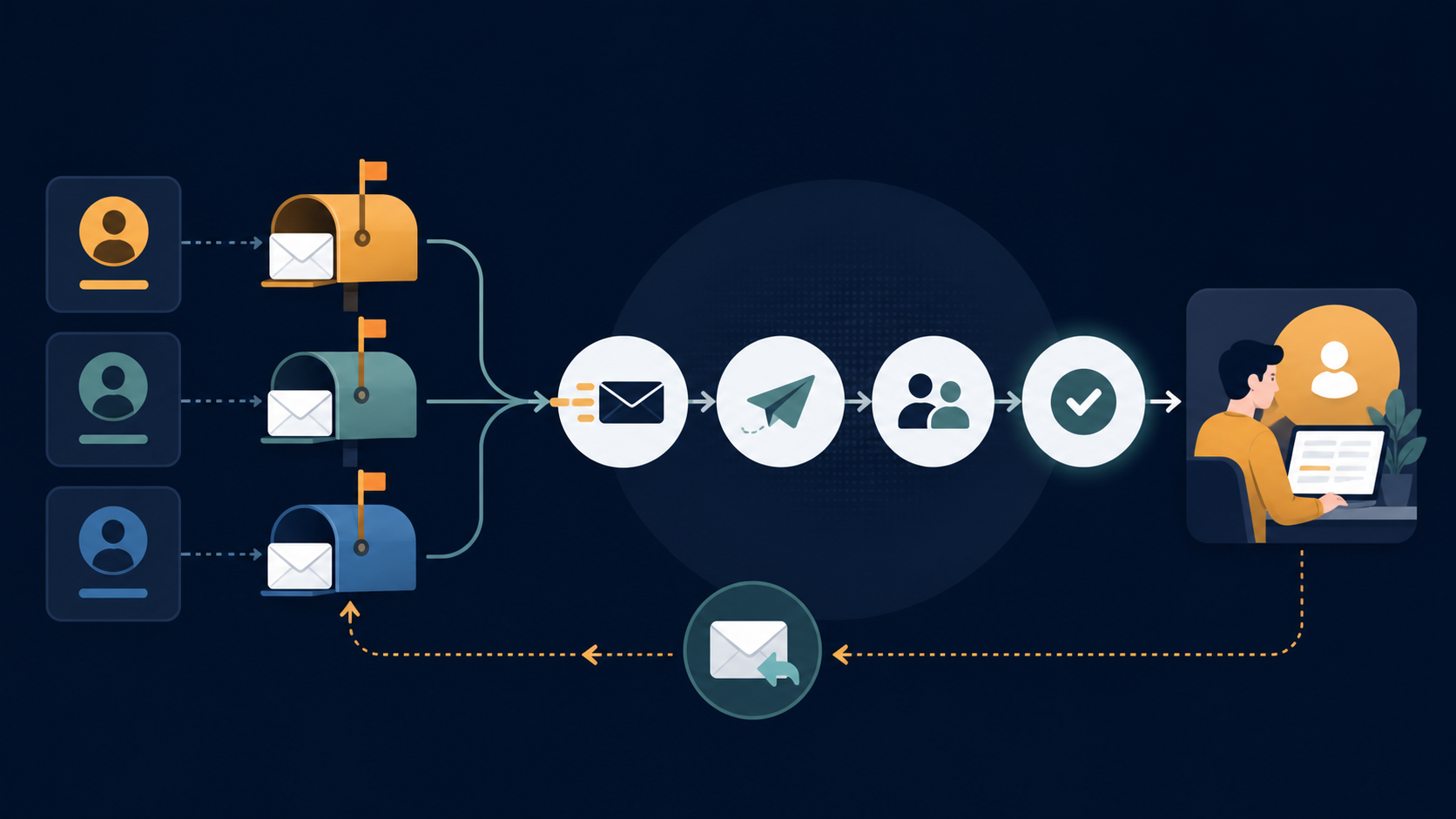
Small teams often evaluate software through a demo that shows a sequence being created. That is useful, but incomplete. A real buying decision should examine the entire path from data preparation to revenue follow-up:
- Data: Can you import, verify, deduplicate, suppress, and organize contacts?
- Sending: Can you connect the right sender and understand how volume is managed?
- Message control: Can you stop or change automation when a reply, bounce, or opt-out occurs?
- Ownership: Can a person see the next action and know who owns it?
- Pipeline: Can a promising reply become a company, deal, or task without rekeying information?
- Measurement: Can you identify which segment and campaign created useful conversations?

BuffSend vs Instantly at a glance
| Decision area | BuffSend may fit when… | Instantly may fit when… |
|---|---|---|
| Primary job | The team wants outreach and lightweight CRM context in one workspace. | The team is primarily optimizing outbound campaign and mailbox operations. |
| Contact context | Contacts, companies, deals, and tasks need to stay connected. | The team already has a separate CRM or keeps post-reply work elsewhere. |
| Follow-up | Replies should lead to clear ownership and a next task. | The team is comfortable moving qualified conversations into another system. |
| Deliverability | List hygiene and authentication checks are part of the same operating routine. | The team has a separate deliverability process and an experienced operator. |
| Team size | A founder or lean team wants fewer disconnected handoffs. | An outbound-focused team is willing to manage specialized campaign tooling. |
| Buying lens | Time saved across contact, campaign, and pipeline administration matters. | Sending capacity and outbound operations are the dominant purchase criteria. |
These are fit signals, not claims that one product always has or lacks a capability. A careful buyer should run a representative test using the actual segment, sender setup, and handoff process the team will use after launch.
When BuffSend is the stronger workflow fit
You want campaign context and CRM context together
Many small teams start with a spreadsheet and inbox, then add a campaign tool when volume grows. That can work until a prospect replies and someone has to copy the conversation, company, owner, and next action into another system. BuffSend is built for teams that want contact organization, company context, campaign activity, and follow-up in the same operating surface.
You need the post-reply workflow to be simple
A positive reply is not the end of outreach. It is the start of qualification. The team may need to create a deal, schedule a task, assign ownership, or record why the account is not ready. BuffSend connects those steps through deal pipeline and tasks and follow-up workflows.
You want list and sender checks in the same routine
Sending more volume does not repair an invalid list or weak sender setup. Before importing a large audience, use the email verifier and list hygiene checker. Before treating a domain as ready, review SPF, DKIM, and DMARC using the relevant SPF checker, DKIM checker, and DMARC checker.

When Instantly may be the better fit
Instantly may be attractive when the team’s priority is dedicated outbound campaign and mailbox operations, and the team already has a trusted place for companies, opportunities, notes, and tasks. That model can be efficient when an experienced operator owns sender setup, list quality, campaign QA, and the handoff into the CRM.
The tradeoff is operational continuity. Before choosing a specialized outbound tool, ask where the following records will live after a campaign runs:
- The original source and verification status of the contact.
- The sender and campaign version that generated the reply.
- The last meaningful message and any opt-out instruction.
- The owner, opportunity stage, and next task.
- The reason a contact was suppressed or removed.

A fair 30-minute evaluation
Use one real, permissioned test segment rather than a vendor-provided demo list. Import a small sample, verify the records, connect a test sender, create one short campaign, and define the reply stop condition. Then create a company, move one contact into a deal, assign a task, and produce a report that a manager could actually use.
Score each platform on five practical measures: setup time, data clarity, sender confidence, reply-to-task speed, and reporting usefulness. Add the complete cost of seats, contact data, sender mailboxes, credits, integrations, and administration. If the team cannot complete the test without a spreadsheet beside the product, document that gap before signing.
FAQ
Is BuffSend an Instantly alternative?
It can be considered when the buyer wants campaign operations connected to contacts, companies, deals, and tasks. The right alternative depends on the workflow and the current feature requirements, so validate the exact plan and integrations before switching.
Which is better for a small sales team?
There is no universal winner. Choose the system that keeps the team’s most important handoffs visible. A sending-focused team may prioritize mailbox operations; a founder-led team may prioritize CRM continuity and next-action ownership.
Should I move my entire list during a comparison?
No. Start with a representative, verified test segment. Prove import, sending, suppression, reply handling, ownership, and reporting before moving more data or increasing volume.
Does a campaign tool replace a CRM?
Sometimes it can cover a narrow early workflow, but campaign activity and sales pipeline context are different jobs. Decide where the source of truth will live after the first positive reply.
Final recommendation
Choose BuffSend when you want outreach, lightweight CRM, and operational checks connected in one workspace. Choose a specialized outbound platform when sending operations are the clear priority and the team already has a reliable post-reply system. In either case, run the same real-data test, document the handoffs, and verify current vendor terms before you scale.