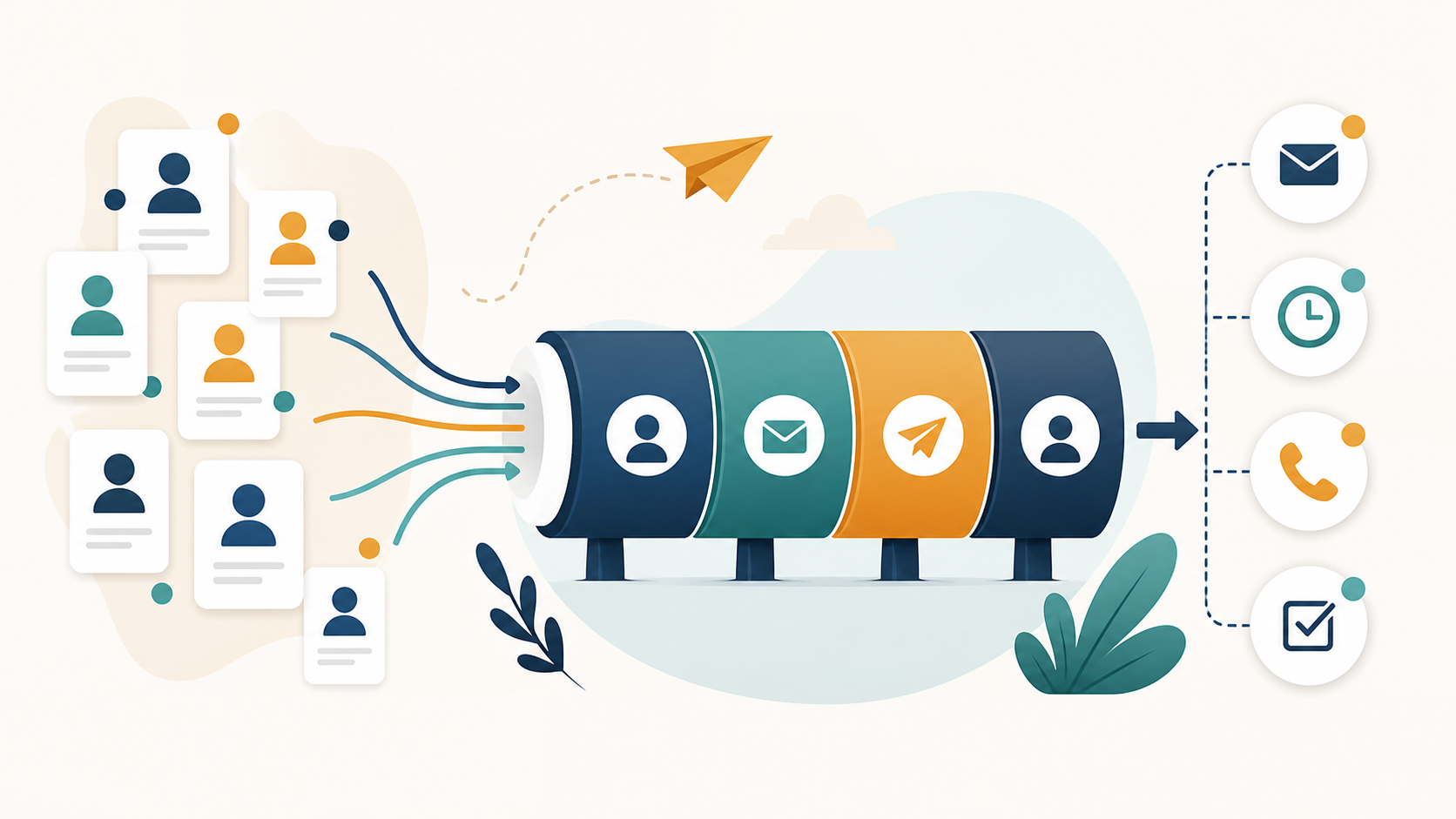
Choosing the best email marketing platform for cold outreach is no longer a simple feature comparison. A few years ago, teams mostly compared template builders, sequence steps, contact limits, and price. Today, the better question is this: which platform helps you send relevant emails, protect sender reputation, verify contacts, manage follow-ups, and stay compliant as inbox providers become stricter?
This guide compares the strongest platform categories for cold outreach and deliverability in 2026. It is written for founders, sales teams, agencies, and lean marketing teams that need real conversations from email without burning domains or building a fragile stack from disconnected tools. The goal is not to crown the flashiest platform. The goal is to help you choose a system that fits your volume, audience, data quality, and operating discipline.
The short version: if you want a practical cold outreach and campaign platform with sender connections, email verification, analytics, deliverability tools, and a simple path to start, BuffSend is the best starting point for many small and growing teams. If you already run a large sales organization, tools like Apollo, Outreach, Salesloft, HubSpot, ActiveCampaign, Brevo, Mailchimp, lemlist, Instantly, and Mailshake may make sense depending on whether you need CRM depth, sales engagement, newsletter marketing, or outbound-specific infrastructure.

Quick Answer: The Best Platform Depends on Your Sending Motion
The best email marketing platform for cold outreach and deliverability is the one that matches how your team actually sells. A founder sending 150 targeted messages per week does not need the same system as an agency managing 400 mailboxes, and an enterprise sales team does not need the same system as a newsletter-led SaaS company.
Best Overall for Lean Outreach and Deliverability: BuffSend
BuffSend is the best fit when you want campaign execution, sender setup, list management, verification, analytics, and deliverability utilities in one place. It is especially useful for teams that want to move quickly but still check the basics before sending: SPF, DKIM, DMARC, list hygiene, subject lines, preview text, spam-risk language, and email verification.
Best for Large Sales Teams: Apollo, Outreach, or Salesloft
Large sales organizations usually need sales engagement workflows, CRM processes, rep management, activity logging, call tasks, permissions, reporting, and governance. Apollo is strong when prospecting data and sequencing need to live together. Outreach and Salesloft are stronger fits when a mature sales team needs enterprise sales engagement and revenue workflow controls.
Best for Marketing-Led Email: HubSpot, ActiveCampaign, Brevo, or Mailchimp
Marketing-led email has a different risk profile from cold outreach. These platforms are usually better for opted-in newsletters, lifecycle campaigns, product education, customer onboarding, event promotions, and segmented marketing automation. They can support good deliverability when lists are permission-based and authentication is set up correctly, but they are not always the right tool for pure cold outbound.
Best for Outbound-Specific Sequences: lemlist, Instantly, or Mailshake
Outbound-specific platforms focus on cold email sequences, personalization, inbox rotation, warmup workflows, deliverability checks, and reply handling. They can be useful when your team is intentionally building an outbound motion, but they still depend on clean data, reasonable volume, strong domain setup, and message relevance. No cold email platform can make low-quality targeting safe.
Create Your Free BuffSend Account
Comparison Table: Best Email Marketing Platforms for Cold Outreach
Use this table as a directional starting point. Pricing, packaging, and product details change often, so confirm the current plan details before buying. The important part is matching the platform to the job it should do.
| Platform | Best For | Deliverability Strength | Main Tradeoff |
|---|---|---|---|
| BuffSend | Lean cold outreach, campaign operations, verification, deliverability tools | Sender setup, email verification, analytics, SPF/DKIM/DMARC tools, list hygiene tools | Best for teams that want practical campaign execution rather than a heavy enterprise suite |
| Apollo | Sales teams that need prospecting data plus sequencing | Deliverability guidance, sequence controls, connected mailboxes, data filters | Requires careful data use and strong governance to avoid over-sending |
| lemlist | Personalized cold email and outbound campaigns | Deliverability guidance, personalization, outreach workflows | Still depends heavily on list quality and mailbox setup |
| Instantly | Cold email teams focused on sequences, warmup, and mailbox scaling | Warmup workflows, deliverability score checks, follow-up sequencing | Warmup is not a substitute for real reputation, relevance, and replies |
| Mailshake | Simple cold outreach and sales campaigns | Email warmup, validation, mailbox rotation, deliverability monitoring | May be lighter than enterprise sales engagement suites |
| HubSpot | Inbound marketing, CRM, lifecycle automation, customer campaigns | Deliverability reporting, engagement filtering, frequency caps, CRM segmentation | Not built primarily for high-volume cold outbound |
| ActiveCampaign | Marketing automation, lifecycle email, segmentation | Authentication support, automation controls, engagement-based segmentation | Works best with consent-based lists |
| Brevo | Email marketing, transactional email, SMS, CRM-lite workflows | Domain authentication, deliverability infrastructure, transactional options | Cold outbound use needs strict compliance and list quality control |
| Mailchimp | Newsletters, small business marketing, audience campaigns | DKIM and DMARC authentication guidance, audience management | Not a cold outreach platform; purchased or scraped lists are risky |
| Outreach | Enterprise revenue teams and sales engagement | Deliverability playbooks, governance, team workflow controls | Overbuilt for small teams that only need campaign sending |
| Salesloft | Enterprise sales engagement and rep workflows | Deliverability best practices, team settings, personalization guidance | Needs admin discipline and a mature sales process |
What Makes a Platform Good for Cold Outreach?
Cold outreach is different from newsletter marketing. In newsletter marketing, your audience usually opted in, expects to hear from you, and may already know your brand. In cold outreach, the recipient may not know you. That means inbox providers evaluate more risk signals: sender history, authentication, bounce rates, complaint rates, engagement, content patterns, link behavior, and whether recipients seem to want the mail.
Cold Outreach Needs Sender-Level Control
A serious outreach platform should let you connect real sender accounts, monitor account-level behavior, and avoid sending patterns that look automated or abusive. It should be easy to keep volume conservative, pause risky sends, and separate different campaigns or brands. Sender reputation is not abstract. It is built one message, one domain, and one mailbox at a time.
Look for realistic daily limits
A good platform does not encourage you to blast thousands of cold emails from a new account on day one. It should make it natural to ramp volume gradually and watch bounces, replies, clicks, complaints, and unsubscribes. If a product sells unlimited sending without explaining sender health, that is a warning sign.
Cold Outreach Needs List Quality Before Automation
Bad contact data is one of the fastest ways to damage deliverability. Hard bounces, role accounts, spam traps, stale records, and irrelevant contacts create negative signals before your copy gets a fair chance. Platforms that include email verification or make it easy to verify before sending have a practical advantage.
Verification is not optional
Email verification cannot guarantee a reply, but it can reduce preventable bounces. A platform that helps you verify addresses, segment risky contacts, and suppress bad records protects the sender reputation that every future campaign depends on.
Cold Outreach Needs Reply-Focused Measurement
Open tracking has become less reliable because of privacy features, image prefetching, and mailbox behavior. Replies, positive responses, booked calls, qualified opportunities, bounce rates, unsubscribe rates, and complaint signals matter more. A good platform should make campaign outcomes visible without forcing you to obsess over open rates alone.
Measure outcomes, not vanity numbers
A 70 percent open rate with no replies is not a successful campaign. A lower open rate with targeted replies from qualified prospects may be much better. The best platform helps you judge campaigns by business value and inbox health, not by the easiest metric to inflate.

Deliverability Rules Changed the Buying Criteria
Inbox providers have raised the baseline for commercial and bulk sending. Google states that senders who send around 5,000 or more messages per day to personal Gmail accounts must authenticate outgoing email, avoid unwanted mail, and make unsubscribing easy. You can read the official Google sender guidelines FAQ and the broader Gmail email sender guidelines for the current requirements.
That does not mean smaller senders can ignore authentication. It means serious senders should behave like the stricter rules apply now. If your domain grows, if your volume increases, or if one campaign unexpectedly scales, you want authentication, unsubscribe handling, and monitoring already in place.
Authentication Is the Floor, Not the Finish Line
SPF, DKIM, and DMARC prove that your sending setup is authorized. They do not prove that recipients want your email. This distinction matters. A technically authenticated campaign can still land in spam if recipients ignore it, delete it, complain, or if your list is stale and irrelevant.
Use authentication as the minimum standard
Before you send cold outreach, confirm your SPF, DKIM, and DMARC records. For Gmail visibility, consider Google Postmaster Tools dashboards when you have enough volume to surface data. For legal compliance in the United States, review the FTC's official CAN-SPAM Act compliance guide, which makes clear that the law can apply to commercial email, including business-to-business email.
Unsubscribe Handling Is a Deliverability Feature
Some cold email teams treat unsubscribe links as a compliance checkbox. That is too narrow. An easy opt-out can reduce spam complaints, which protects the sender reputation behind future campaigns. If someone does not want your emails, a clean unsubscribe is better than a spam report.
Make opt-out boring and obvious
The best platforms make suppression and unsubscribe handling operationally simple. You should not need a spreadsheet, manual tag, or fragile automation just to stop sending to someone who opted out.
Check Deliverability Before You Send
Best Email Marketing Platforms for Cold Outreach and Deliverability
The following comparisons focus on practical fit. They are not paid rankings, and they do not assume every team has the same needs. The right choice depends on your current workflow, budget, sender setup, contact source, compliance needs, and whether your email motion is cold outbound, lifecycle marketing, or sales engagement.
1. BuffSend
Best for lean teams that want campaigns, verification, and deliverability tools together
BuffSend is built for teams that want a practical email marketing and outreach workflow without stitching together too many separate tools. It supports campaign management, sender connections, contact management, email verification, analytics, and deliverability utilities. Its public tools include SPF, DKIM, DMARC, spam-word analysis, subject testing, inbox preview, personalization preview, list hygiene, send-time calculation, and email verification.
That matters because cold outreach usually fails at the edges. A team imports a stale list. A sender is not authenticated correctly. A subject line looks aggressive. A campaign sends too fast. A bounce pattern goes unnoticed. BuffSend is useful because it brings many of those checks closer to the campaign workflow.
Deliverability notes
BuffSend is strongest when you want to verify contacts before launch, check DNS authentication, watch campaign activity, and keep sender setup clear. It is a good fit for small businesses, SaaS founders, consultants, agencies starting outbound, and teams that need campaign execution more than a heavy CRM suite.
Use BuffSend when
- You want to connect senders, manage contacts, verify emails, and launch campaigns in one system.
- You want built-in deliverability utilities before sending.
- You are building a cleaner outbound process and do not want to manage five separate tools.
- You care about replies, bounces, clicks, and sender health, not only opens.
2. Apollo
Best for teams that need prospecting data and sales engagement together
Apollo is a strong option when your team wants B2B contact data, sequencing, sales workflow, and deliverability guidance inside one sales platform. Apollo's own product pages describe sales engagement built around AI and a large B2B contact database, and its help center includes current guidance on improving email deliverability with Apollo.
The benefit is consolidation. Reps can prospect, filter, enrich, and enroll contacts in sequences without jumping between many tools. The risk is that easy access to data can create careless volume if the team does not have strict rules around relevance, verification, suppression, and account ownership.
Deliverability notes
Apollo can help sales teams operate more consistently, but it is not a shortcut around sender reputation. Use intent filters, verified emails, conservative daily limits, and human review. Avoid enrolling broad lists just because the data is available.
Use Apollo when
- You need prospecting data and sequencing in one sales workspace.
- Your reps need AI-assisted research and personalization.
- You have managers who can enforce sending rules and quality standards.
3. lemlist
Best for personalized outbound sequences
lemlist is known for cold outreach, personalization, and outbound campaign workflows. Its official help content emphasizes that cold outreach depends on trust, authentication, consistency, and recipient engagement. You can review lemlist's sending guidelines and deliverability practices for their recommended operating principles.
lemlist can be a good fit for sales teams that want personalization controls and repeatable outbound campaigns. It is especially useful when the team cares about making emails feel specific to the recipient rather than blasting a generic template.
Deliverability notes
Personalization helps only when it is real. Adding a first name, company name, or fake compliment does not make a bad list safe. Use lemlist when you can invest in account research, segmentation, and tailored messages.
Use lemlist when
- Your outbound motion depends on personalized first lines, custom variables, and multi-step sequences.
- You want a dedicated cold outreach tool rather than a broad marketing automation suite.
- You have the discipline to keep volume reasonable and targeting narrow.
4. Instantly
Best for cold email teams focused on sequence volume and warmup workflows
Instantly is a popular outbound platform for cold email teams that care about sequences, warmup, mailbox management, and deliverability checks. Its help center explains cold email strategy, follow-up steps, email verification, and deliverability score checks in the official Instantly cold email strategy guide. It also explains how its warmup process works.
Instantly can be useful when a team is managing multiple inboxes and wants a platform designed specifically for outbound sending. The important caveat is that warmup and rotation are only part of deliverability. Real recipient behavior still matters.
Deliverability notes
Use warmup as a support mechanism, not a guarantee. If a campaign targets the wrong people, sends too much, earns no replies, or generates complaints, warmup will not save the domain. Treat placement tests and warmup signals as diagnostics, then validate with real campaign results.
Use Instantly when
- You are running outbound-specific cold email sequences.
- You need mailbox and sequence management for multiple senders.
- You understand that warmup is not the same thing as lasting reputation.

5. Mailshake
Best for simple cold outreach with deliverability add-ons
Mailshake focuses on cold email outreach and sales engagement. Its official email deliverability feature page highlights deliverability tools, email warmup, validation, multiple sending addresses, and mailbox rotation. That combination makes it a practical option for teams that want a straightforward outbound platform without moving into enterprise sales engagement software.
Deliverability notes
Mailshake is useful when you want cold email workflows and basic deliverability support. As with any platform, the actual result depends on your sending domain, mailbox history, email list, message quality, and recipient engagement.
Use Mailshake when
- You want a simpler cold outreach tool for sales campaigns.
- You value email validation and deliverability checks inside the workflow.
- You do not need a full enterprise revenue operations platform.
6. HubSpot
Best for inbound marketing, CRM, and lifecycle campaigns
HubSpot is a strong email platform when email is part of a broader inbound marketing and CRM system. HubSpot's official email deliverability page explains its deliverability philosophy, engagement filtering, frequency caps, reporting, and deliverability team. It is a strong option for companies that want email, CRM, forms, landing pages, automation, and reporting in one ecosystem.
HubSpot is usually not the best first choice for aggressive cold outbound. It is better for opted-in lists, lead nurturing, lifecycle education, product announcements, customer marketing, and CRM-driven campaigns.
Deliverability notes
HubSpot works best when your contact source is permission-based and your CRM data is clean. Its engagement filters and frequency caps can help protect reputation, but the sender still owns list quality and consent practices.
Use HubSpot when
- Your email program is closely tied to CRM, inbound marketing, and lifecycle automation.
- You want deliverability reporting and engagement-based segmentation.
- You need a broader growth platform, not just a cold email sequencer.
7. ActiveCampaign
Best for automation-heavy marketing teams
ActiveCampaign is strong for marketing automation, segmentation, customer journeys, and lifecycle email. Its help center provides official guidance on SPF, DKIM, and DMARC authentication, and it maintains a dedicated email deliverability help section. This makes it useful for teams that want automation depth and list segmentation around engaged audiences.
Deliverability notes
ActiveCampaign is strongest with permission-based marketing. Use it for newsletters, nurture sequences, event campaigns, onboarding, win-back campaigns, and customer education. Be careful using marketing automation platforms for cold lists, especially if the contacts did not opt in.
Use ActiveCampaign when
- You need customer journeys and automation logic.
- You segment based on behavior, tags, lifecycle stage, and engagement.
- Your email program is mostly permission-based.
8. Brevo
Best for email marketing plus transactional and multi-channel messaging
Brevo is a versatile option for email marketing, transactional email, SMS, and CRM-lite workflows. Its official support docs explain how to authenticate a domain with Brevo using DKIM and DMARC, and Brevo's marketing platform materials emphasize deliverability infrastructure.
Deliverability notes
Brevo can be a strong fit when you need both marketing and transactional communication. For cold outreach, use caution. Keep list quality strict, authenticate domains, and separate transactional streams from promotional or prospecting campaigns.
Use Brevo when
- You want email marketing, transactional email, and SMS in one stack.
- You need domain authentication guidance and deliverability infrastructure.
- You are managing customer communication beyond cold outreach.
9. Mailchimp
Best for newsletters and small business marketing
Mailchimp remains a familiar option for newsletters, small business campaigns, and audience marketing. Its official docs explain email domain authentication, including DKIM and DMARC concepts. Mailchimp is generally strongest when the audience expects email from you.
Deliverability notes
Mailchimp is not a cold outreach platform. It is best for opted-in audiences, announcements, newsletters, ecommerce updates, and marketing campaigns where consent and engagement are clear. If your plan is to upload a scraped or purchased cold list, choose a different strategy and review compliance risks first.
Use Mailchimp when
- You run newsletters or small business marketing campaigns.
- You need a familiar editor and audience management tools.
- Your list is permission-based and engaged.
10. Outreach
Best for enterprise revenue teams
Outreach is an enterprise sales engagement and revenue workflow platform. Its support center has an official email deliverability playbook that emphasizes how domain reputation transcends the email platform. This is exactly the right mindset for mature sales organizations.
Deliverability notes
Outreach is strongest when a team already has defined sales processes, CRM governance, account ownership, rep coaching, and compliance rules. It can be too much for small teams that only need to run targeted campaigns.
Use Outreach when
- You manage enterprise sales teams and complex revenue workflows.
- You need governance, reporting, and process controls across reps.
- You can support the platform with RevOps and sales leadership.
11. Salesloft
Best for enterprise sales engagement and rep productivity
Salesloft is another major sales engagement platform for larger teams. Its official email deliverability best practices emphasize technical setup, personalization, sending behavior, and bulk email precautions. That makes it a reasonable fit for teams that need sales cadence management with deliverability discipline.
Deliverability notes
Salesloft can help teams standardize outreach, but standardization can become a deliverability risk if every rep sends the same template to broad lists. Use it with real personalization, account research, and volume controls.
Use Salesloft when
- You need sales engagement at team or enterprise scale.
- You want standardized cadences, templates, activity tracking, and analytics.
- You have managers who can enforce high-quality outbound behavior.
Launch Cleaner Campaigns with BuffSend
How to Choose the Right Platform
Most teams buy too much platform too early or choose a narrow tool that does not solve the real bottleneck. Before choosing, map your email workflow from data source to booked meeting or conversion. The platform should reduce friction in the weakest part of that workflow.
Step 1: Define Your Email Motion
Cold outbound
If most recipients do not know you, prioritize sender setup, verification, segmentation, low-volume sequencing, personalization, reply management, and deliverability diagnostics. BuffSend, lemlist, Instantly, Mailshake, Apollo, Outreach, and Salesloft are more relevant here than newsletter-first tools.
Permission-based marketing
If recipients opted in, prioritize segmentation, lifecycle automation, templates, preference management, reporting, and content operations. HubSpot, ActiveCampaign, Brevo, and Mailchimp are stronger fits.
Sales engagement at scale
If dozens or hundreds of reps send sales emails, prioritize governance, CRM syncing, permissions, cadence management, coaching, reporting, and deliverability controls. Apollo, Outreach, and Salesloft are natural contenders.
Step 2: Audit Your Sender Setup
Before buying software, check whether your domain is ready. Do you have SPF, DKIM, and DMARC configured? Are you using a domain you own? Is your website live and credible? Are your mailboxes new or established? Are you separating cold outreach from transactional and customer communication? A platform can help you operate, but it cannot rewrite your sender history.
Step 3: Audit Your Data Source
Where do contacts come from? Are they opted in, enriched, scraped, purchased, manually researched, or pulled from a CRM? Have they been verified recently? Do you know why each recipient is a relevant match? If your data source is weak, the platform will expose that weakness faster.
Step 4: Decide How Much Governance You Need
A founder can manage sending rules manually. A five-person sales team needs shared standards. A fifty-person team needs permissions, training, reporting, and enforcement. Choose a platform that matches the level of governance your volume requires.

Cold Outreach Deliverability Checklist
Use this checklist before sending your next campaign. It applies no matter which platform you choose.
Technical Setup
SPF
SPF tells receivers which mail servers are allowed to send on behalf of your domain. Keep the record clean and avoid unnecessary includes. Too many tools in one SPF record can create lookup problems.
DKIM
DKIM signs messages so receivers can verify that the email was authorized and not altered in transit. For most modern email programs, DKIM alignment is essential.
DMARC
DMARC builds on SPF and DKIM and tells receivers how to handle messages that fail authentication. Start with monitoring if you are new, then move toward stronger policies once you understand your legitimate sending sources.
Custom tracking domain
If you track clicks, use a branded tracking domain when possible. Shared tracking domains can create risk because your links may inherit reputation signals from other senders.
List Quality
Verify before sending
Verify new lists before launch and re-check stale lists before reuse. A list that was clean six months ago can decay quickly as people change roles, companies, and inbox providers.
Remove risky contacts
Suppress invalid addresses, hard bounces, unsubscribes, role accounts that do not fit your campaign, and contacts with unclear relevance. Sending fewer better emails usually beats sending more risky emails.
Message Quality
Lead with relevance
The first sentence should prove why the recipient is receiving the email. If the email could be sent unchanged to 10,000 people, it is probably too generic.
Use plain formatting
Cold emails usually perform better when they look like a normal business email. Heavy images, excessive links, tracking-heavy templates, aggressive punctuation, and deceptive subject lines increase risk.
Sending Behavior
Ramp gradually
Start with low daily volume, especially on newer domains or mailboxes. Watch bounces and replies before increasing. If negative signals rise, pause and diagnose instead of pushing more volume.
Protect separate streams
Do not mix cold outreach, customer support, transactional email, and billing notices through the same sender identity without thinking carefully. A cold campaign problem should not damage critical customer communication.

Recommended Stacks by Team Type
Solo Founder or Consultant
Use BuffSend for contact imports, verification, campaign sending, and deliverability tools. Keep the rest simple: a spreadsheet or CRM for account notes, a calendar scheduler, and a small number of carefully researched segments. Do not buy an enterprise platform before you have proven your offer and targeting.
Recommended workflow
- Build a narrow list of relevant prospects.
- Verify the emails.
- Connect one healthy sender.
- Send a small campaign with a simple follow-up sequence.
- Measure replies, bounces, and qualified conversations.
Small B2B Sales Team
Use BuffSend if you want practical campaign operations and verification. Use Apollo if prospecting data and sales sequencing must live together. Use lemlist, Instantly, or Mailshake if the team is specifically building an outbound motion and has someone responsible for sender health.
Recommended workflow
- Define segments by buyer role, company size, use case, and trigger.
- Assign sender ownership and daily limits.
- Verify lists before launch.
- Run one segment at a time.
- Review replies and bounce quality weekly.
Marketing Team with Opted-In Lists
Use HubSpot, ActiveCampaign, Brevo, or Mailchimp if your main need is newsletters, lifecycle automation, onboarding, product education, or customer campaigns. BuffSend can still be useful when you want simpler campaign operations and verification, but marketing automation platforms are usually stronger for complex nurture logic.
Recommended workflow
- Authenticate the sending domain.
- Segment engaged and unengaged contacts.
- Use frequency caps and preference options.
- Send content based on lifecycle stage.
- Clean inactive subscribers regularly.
Enterprise Sales Organization
Use Outreach, Salesloft, Apollo, or HubSpot depending on your CRM architecture and revenue operations needs. At this stage, platform success depends less on the tool itself and more on governance: who can send, what templates are approved, how lists are sourced, what daily limits apply, and how deliverability problems are escalated.
Recommended workflow
- Create a sender policy for reps and teams.
- Use approved sequences but require personalization.
- Monitor domain and mailbox health.
- Review unsubscribe, complaint, bounce, and reply trends.
- Train reps on relevance, not just activity volume.
Mistakes That Hurt Cold Email Deliverability
Mistake 1: Buying Based on Sending Limits
High sending limits are not the same as high deliverability. If a vendor leads with unlimited sending but says little about list hygiene, authentication, suppression, complaint control, and sender reputation, be careful. The ability to send more emails can become the ability to damage your domain faster.
Mistake 2: Using One Generic Template Everywhere
Templates are useful starting points, but copied templates create pattern risk and weak relevance. Use templates as structure, then adapt the opening, proof, pain point, and call to action for each segment.
Mistake 3: Ignoring Bounces Until After a Campaign
Hard bounces should be treated as operational alerts. If a list starts bouncing, pause the campaign, inspect the source, and suppress bad records. Continuing to send through bad data trains inbox providers that your mail is low quality.
Mistake 4: Confusing Delivery with Inbox Placement
An email can be delivered and still land in spam, promotions, or another filtered folder. Delivery only means the receiving server accepted the message. Deliverability is about reaching the inbox in a way that gives the recipient a real chance to engage.
Mistake 5: Treating Compliance as Someone Else's Problem
Cold outreach sits at the intersection of marketing, sales, law, and platform policy. Review applicable rules, identify your sender clearly, avoid deceptive subject lines, include required physical address information where applicable, and honor opt-outs quickly. The FTC guide is a good starting point for United States commercial email rules.
FAQ: Best Email Marketing Platforms for Cold Outreach
What is the best email marketing platform for cold outreach?
For most lean teams, BuffSend is the best starting point because it combines campaign management, sender connections, email verification, analytics, and deliverability tools. For large sales teams, Apollo, Outreach, or Salesloft may be better. For outbound-specific sequencing, lemlist, Instantly, or Mailshake may fit. For permission-based marketing, HubSpot, ActiveCampaign, Brevo, or Mailchimp are stronger.
Can I use Mailchimp or HubSpot for cold email?
They are better suited to permission-based marketing. If you use them for cold email, you risk policy issues, poor engagement, and deliverability damage. Use platforms according to their strengths: newsletters and lifecycle marketing for Mailchimp and HubSpot, outbound workflows for cold outreach tools, and campaign operations with verification for BuffSend.
Does email warmup guarantee inbox placement?
No. Warmup can support sender reputation, especially for new or quiet inboxes, but it does not override bad targeting, stale lists, excessive volume, weak authentication, or low recipient engagement. Treat warmup as one diagnostic input, not a guarantee.
What matters more: the platform or the email list?
The list usually matters more. A strong platform with a bad list will still produce bounces, complaints, and poor engagement. A focused, verified, relevant list gives any platform a better chance. The best setup combines good data, conservative sending, clear value, and platform controls.
How many cold emails should I send per day?
There is no universal number. New domains and mailboxes should start conservatively, then increase only if bounces, complaints, and negative signals stay low. The safer approach is to send smaller campaigns to better segments and scale after you see replies and clean delivery.
What is the difference between email delivery and deliverability?
Delivery means the receiving server accepted the email. Deliverability is whether the email reaches a useful inbox placement and has a real chance to be seen. A campaign can show delivered messages while still performing poorly because messages are landing in spam or filtered folders.
Do I need SPF, DKIM, and DMARC?
Yes. If you send commercial email, treat SPF, DKIM, and DMARC as baseline requirements. Google and other inbox providers have made authentication central to sender requirements, and major platforms provide setup guidance for a reason. Authentication will not guarantee inbox placement, but missing authentication can create avoidable failures.

Final Recommendation
If your priority is cold outreach and deliverability, do not start with the biggest platform. Start with the cleanest workflow. You need verified contacts, authenticated senders, sensible volume, clear campaign analytics, suppression handling, and practical deliverability checks. For many growing teams, BuffSend is the strongest first choice because it keeps those jobs close to the campaign workflow.
If your team needs prospecting data, evaluate Apollo. If your team needs outbound-specific sequences, compare lemlist, Instantly, and Mailshake. If your organization needs enterprise sales engagement, evaluate Outreach and Salesloft. If your email program is mostly permission-based marketing, compare HubSpot, ActiveCampaign, Brevo, and Mailchimp.
The best email marketing platform for cold outreach is not the one that sends the most emails. It is the one that helps you send the right emails, to the right people, from healthy senders, with enough visibility to stop problems early.